Automated vs manual trading journal: which should you choose?
Notebook, spreadsheet or automated journal: the strengths, the limits and the hidden cost of each approach, so you can choose with your eyes open.
The question is not which one is "better" in the abstract, but which one you will still be keeping in six months.
The manual journal: ideal to begin with
A notebook or a spreadsheet has two genuine virtues: it is free, and the act of writing forces reflection. For your first few dozen trades, it is often the best choice. We provide a free template to get you started.
Its limits show up quickly:
- Data entry becomes a chore, and an abandoned journal serves no purpose.
- Statistics stay basic and are vulnerable to formula errors.
- You cannot easily cross-reference your results with your discipline or your habits.
The automated journal: to last, and to analyse
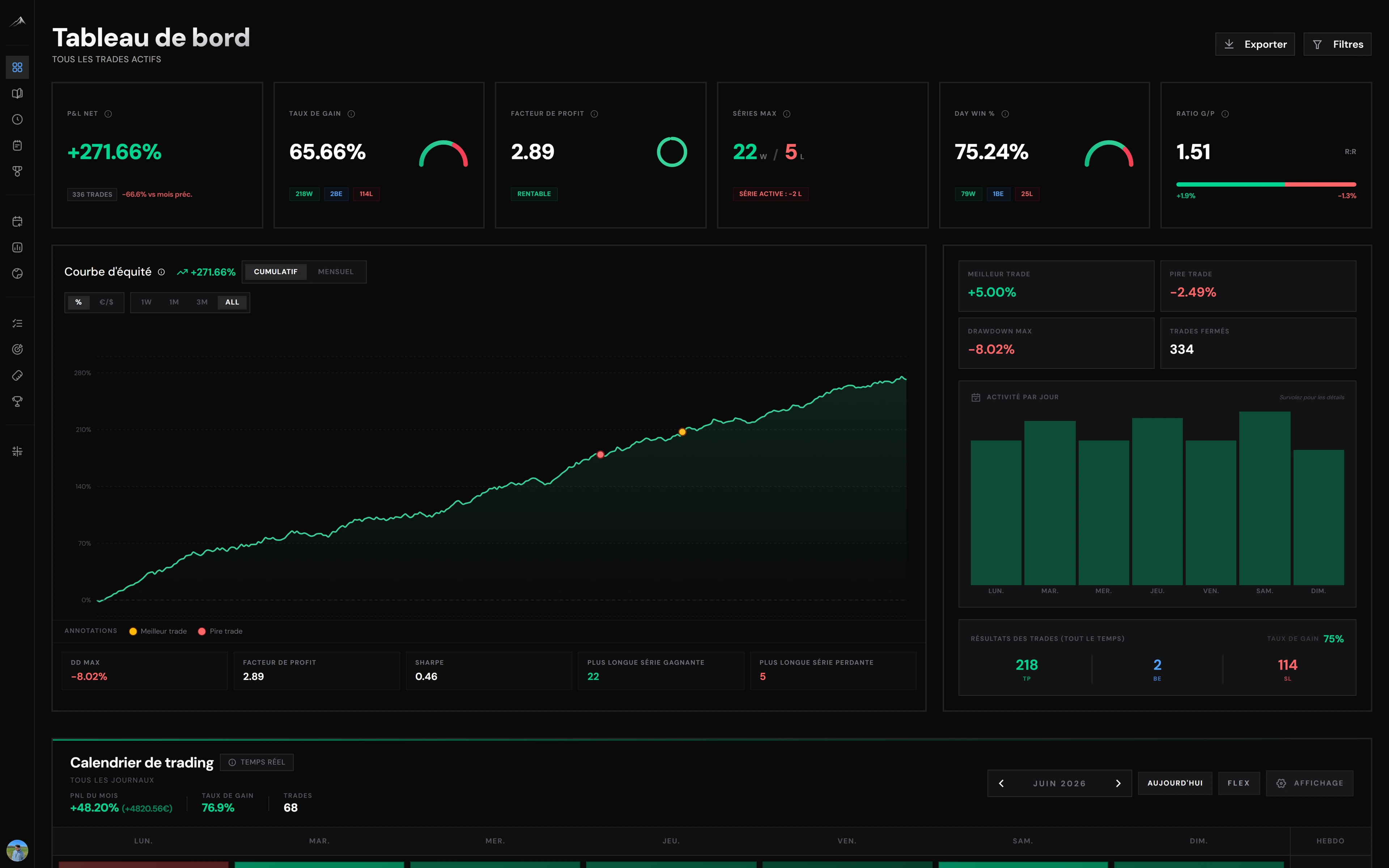
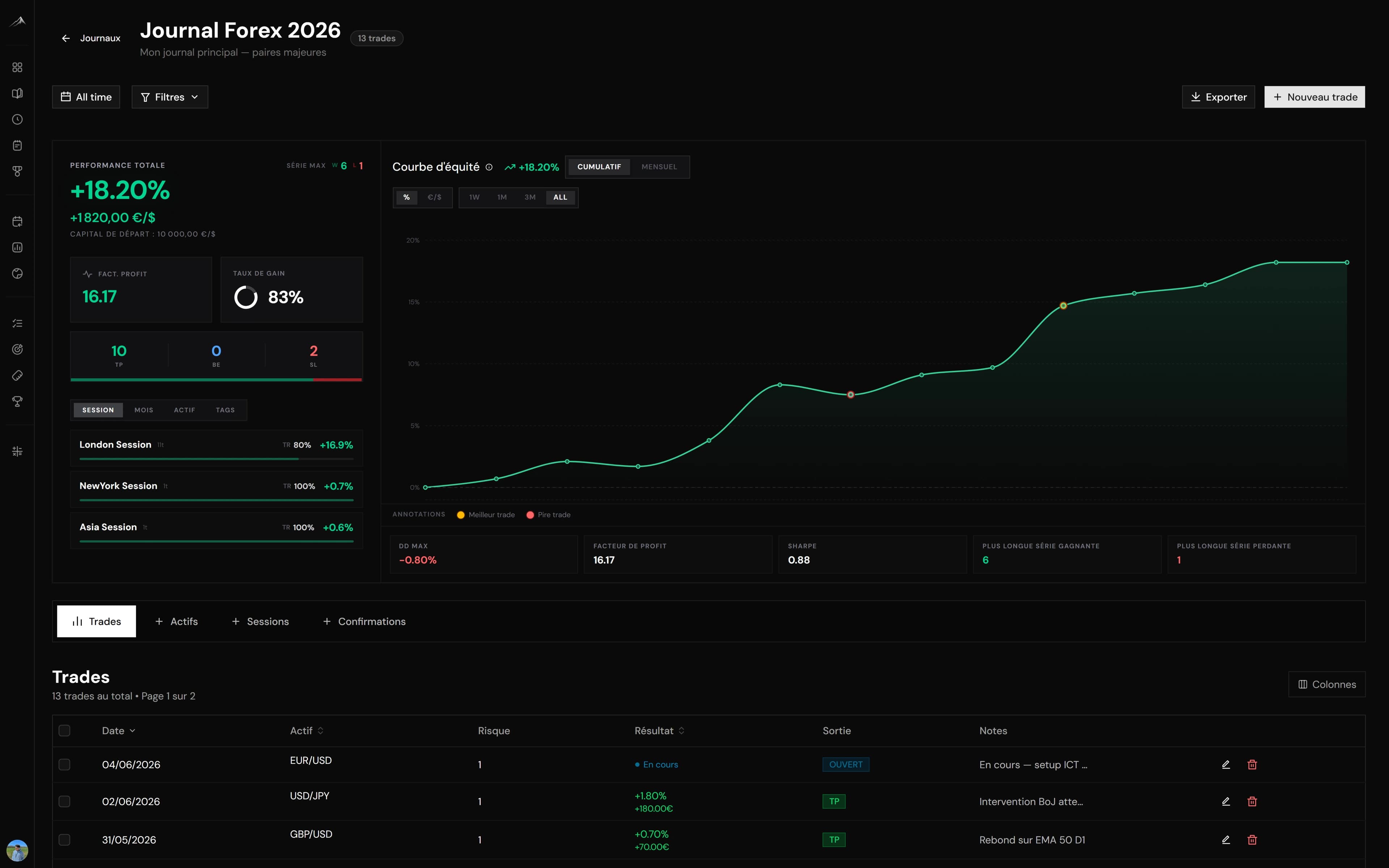
An automated journal imports your trades from your broker (MetaTrader, cTrader) and computes your metrics without any typing. You remove the friction — the single biggest cause of abandonment.
Its advantages:
- Zero repetitive entry: your trades arrive on their own.
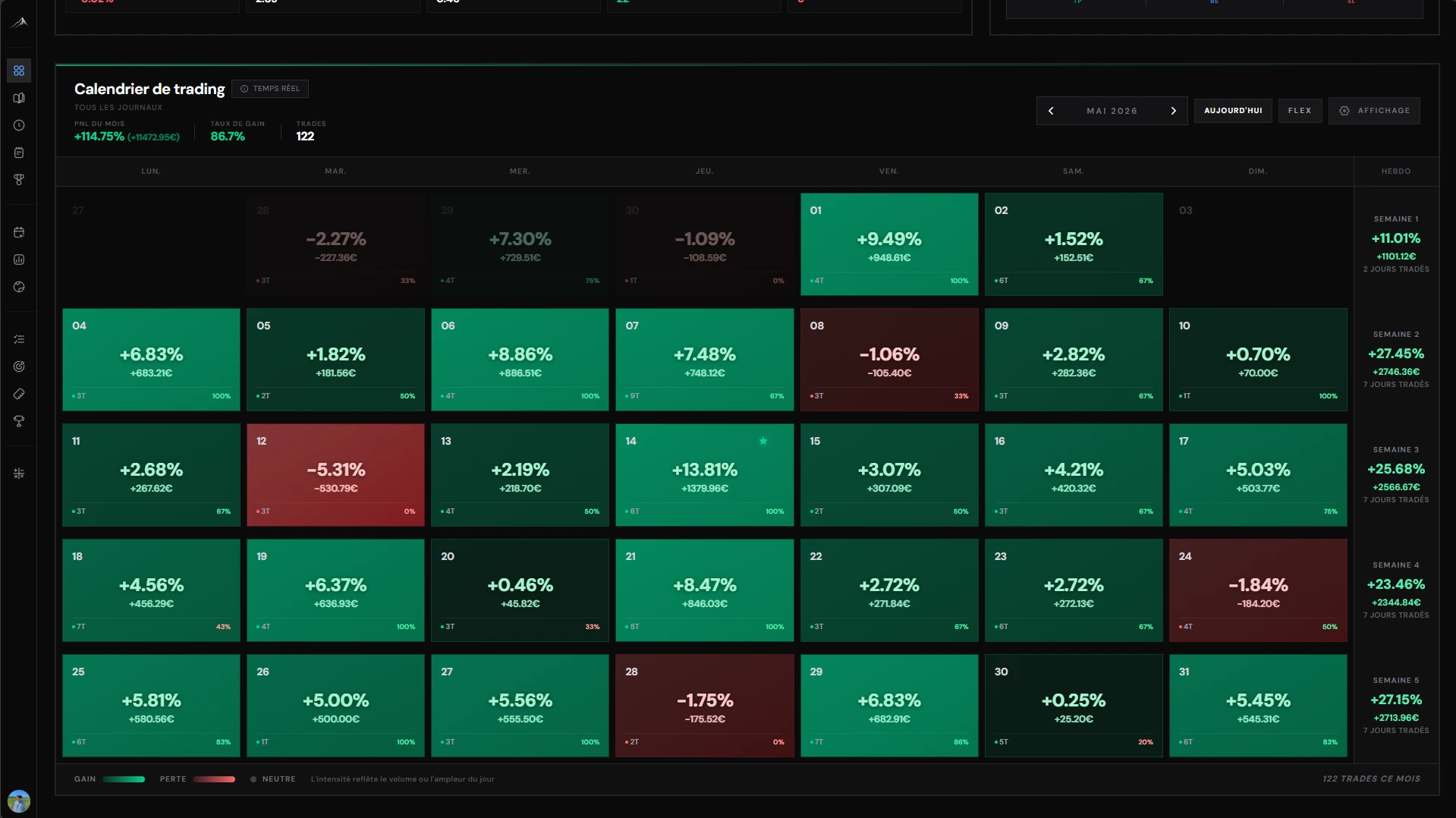
- Reliable, up-to-date statistics (win rate, expectancy, drawdown).
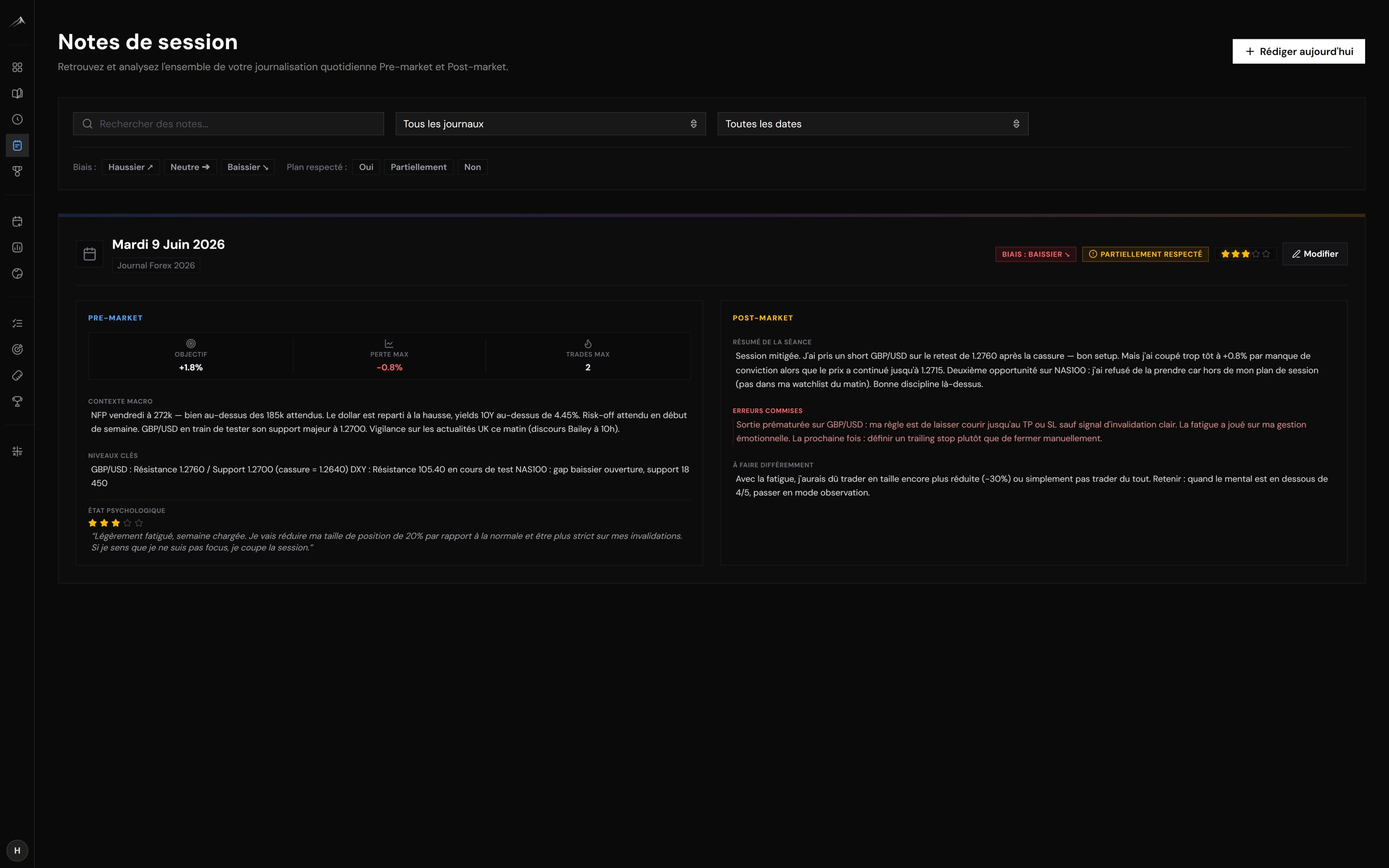
- The ability to tie your results back to your discipline and your routines.
Its cost: a subscription, and the need to connect a broker account (read-only).
Our recommendation
Start manually, to understand what you need to track. As soon as data entry slows you down — usually after a few dozen trades — switch to automation so you don't quit. That moment is exactly what we built Altiora for: see how it works.
About the author
L’équipe Altiora
Altiora editorial team
Altiora's editorial team brings together active traders and the product team. We write about discipline, journaling and performance analysis, grounded in how the platform actually works. We never give investment advice.
Read next
Trading journal: the complete guide to getting better
Why keeping a trading journal changes everything, what to record, which statistics to track, and how to move from a manual notebook to automated tracking that actually compounds.
How to keep an effective trading journal (beginner guide)
The step-by-step method for a trading journal you will not drop: what to record, when to fill it in, and how to review it so it actually makes you better.
Which statistics to track in your trading journal
Win rate, expectancy, risk/reward ratio, drawdown: what each metric really says about your trading, and which one to watch first.